6 November 2026
Why Boiler Preservation Should Start Before the Shutdown
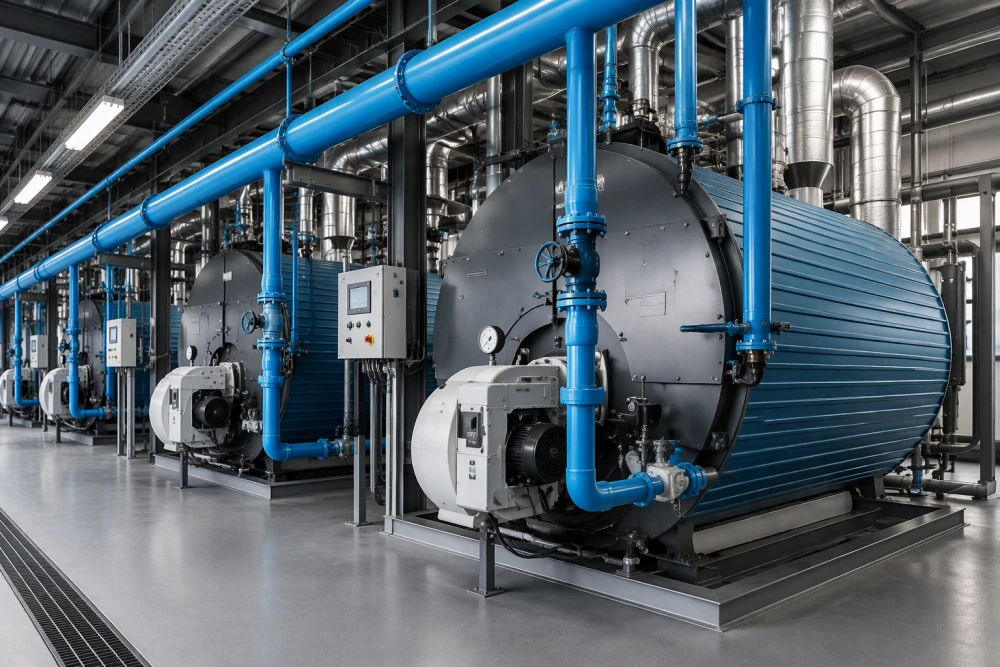
When most engineers think about boiler preservation, they immediately picture a shutdown scenario where the boiler is taken offline, drained or laid up, and protected until it's needed again. While this is undoubtedly important, one of the most overlooked opportunities to prevent corrosion begins when the boiler is still operating.
A successful preservation strategy shouldn't start on the day the boiler is switched off. It should be part of the boiler's ongoing maintenance, ensuring the asset remains protected throughout its entire lifecycle, both online and offline.
Corrosion Doesn't Wait for a Shutdown
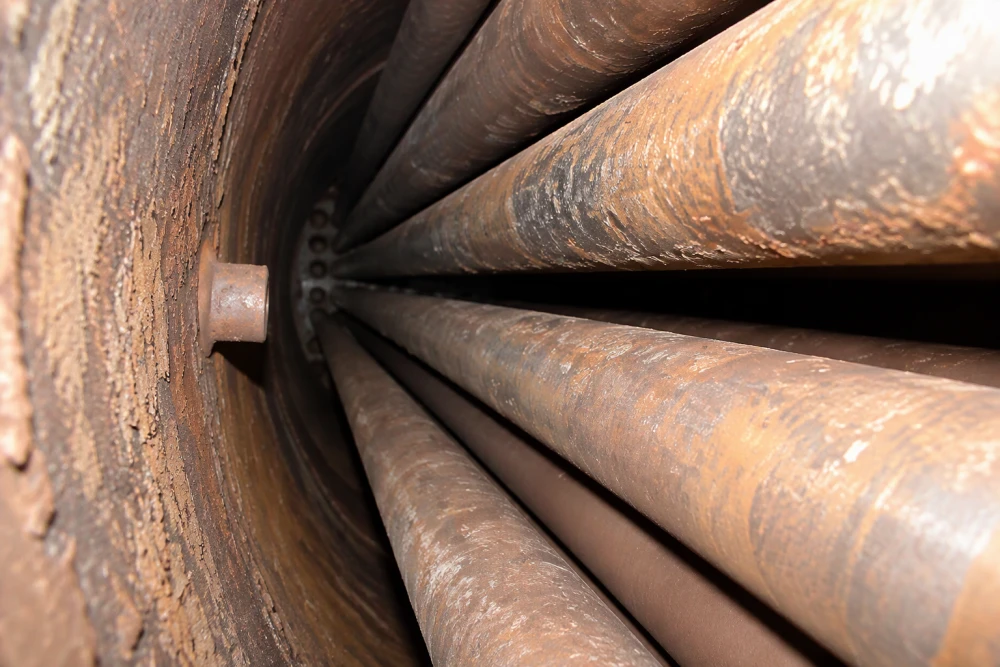
Boilers operate in challenging conditions. High temperatures, dissolved oxygen, fluctuating water chemistry, condensate return systems, and varying load demands all create opportunities for corrosion to develop.
Even well-managed systems can suffer from:
Oxygen pitting
Condensate line corrosion
Under-deposit corrosion
Flash rusting during outages
Corrosion in standby or low-use areas
The damage caused may not be immediately visible, but over time it can reduce efficiency, shorten equipment life, and increase maintenance costs.
A Complete Protection Strategy
Traditionally, preservation products have been associated with shutdown periods, but modern Vapour phase Corrosion Inhibitor (VpCI®) technology allows protection to begin while the boiler remains operational.
Products such as VpCI®-649 Series can be incorporated into boiler and closed-loop water treatment programmes, helping to protect metal surfaces from corrosion during normal operation while also simplifying the transition into a preservation programme when shutdowns occur.
This creates a continuous protection strategy rather than a reactive one.
Benefits include:
Reduced corrosion throughout the year
Protection of steam and condensate systems
Reduced metal loss and equipment degradation
Easier transition into planned shutdown preservation
Extended asset life and improved reliability
The Challenge of Planned Shutdowns
When a boiler is taken out of service, corrosion risks increase significantly. Residual moisture, oxygen ingress, and changing environmental conditions can rapidly attack exposed metal surfaces.
Many sites continue to rely on traditional preservation techniques such as:
Draining and drying systems
Desiccant placement
Nitrogen blanketing
Chemical wet layup methods
While these approaches can be effective, they often require significant labour and may not fully protect difficult-to-access internal areas.
How VpCI® Technology Changes the Game
VpCI® technology works differently from conventional corrosion protection methods.
The inhibitor molecules vaporise and disperse throughout enclosed spaces, forming a molecular protective layer on metal surfaces. This allows protection to reach areas that are difficult to access using traditional methods.
For boiler preservation, different solutions are available depending on the application:
During Normal Operation
VpCI®-649 Series for ongoing corrosion protection within operating water systems
Enhanced protection of waterside surfaces and condensate-return systems
Improved readiness for future shutdowns
During Short-Term Shutdowns
VpCI® Gecko for smaller boilers and packaged units
Quick and easy dry layup protection
During Medium-Term Layup
Boiler Lizard® technology
Protection of internal waterside and steam-space surfaces
During Long-Term Preservation or Complex Systems
VpCI® Dragon fogging systems
Comprehensive protection throughout large or difficult-to-access boilers, HRSGs, and steam systems
Preservation Is an Asset Management Decision
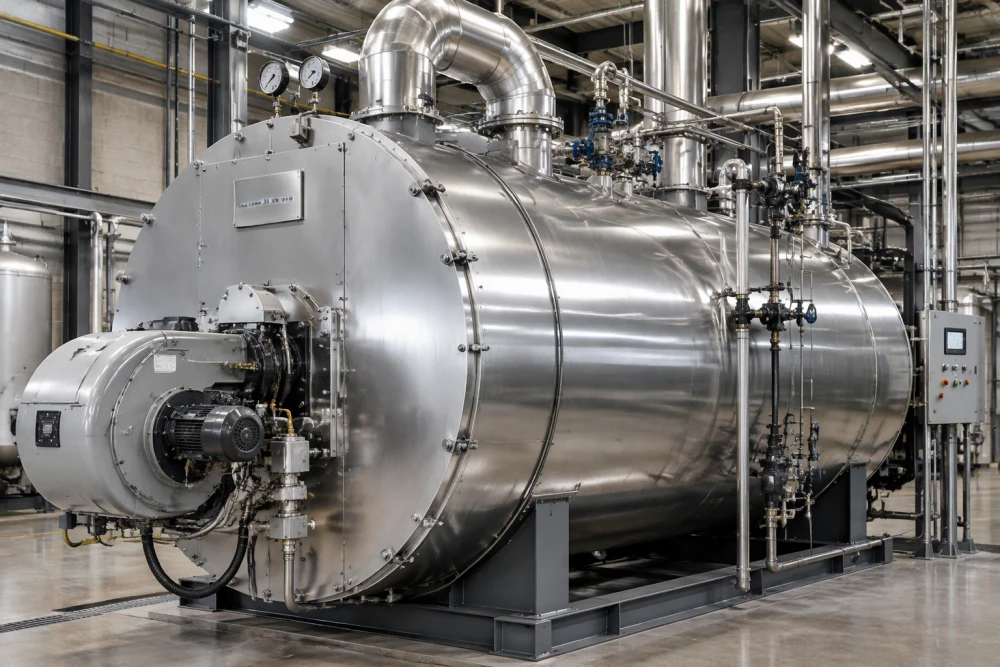
Too often, boiler preservation is viewed as a maintenance activity completed just before a shutdown. In reality, it is part of a wider asset reliability strategy.
Organisations investing heavily in boiler infrastructure should consider:
How corrosion is managed during operation
How boilers are protected during standby periods
How shutdowns are planned and executed
How quickly systems can be recommissioned
The total lifecycle cost of ownership
The most successful operators take a continuous approach, protecting assets during operation and maintaining that protection throughout shutdown periods.
A Smarter Approach to Boiler Reliability
At Lake Engineering Solutions, we work with industrial manufacturers, utilities, food processors, chemical producers, power industry, maintenance teams, and facilities managers to implement complete boiler corrosion management programmes.
By combining operational VpCI® treatment with shutdown preservation solutions, organisations can significantly reduce corrosion risk, improve reliability, and extend the life of critical steam-generating assets.
The question shouldn't be: "How do we preserve the boiler when it shuts down?"
It should be: "How do we protect the boiler every day of its operating life?"
That's where a continuous VpCI® protection strategy delivers its greatest value.
How Lake Engineering Solutions Can Help
We help customers implement this whole-life approach using industry-leading Cortec® VpCI® technology, technical expertise, and practical implementation support. By protecting boilers before, during, and after shutdowns, organisations can reduce corrosion risk, improve reliability, extend asset life, and lower the total cost of ownership.
If you are planning a shutdown, reviewing your boiler water treatment programme, or looking to improve asset reliability, contact Mark Cresswell at Lake Engineering Solutions to discuss how a continuous VpCI® preservation strategy can protect your boiler investment.
Email: mark.cresswell@lakecm.co.uk
Tel: 07484 904185